Table of Content
At times, the paired Bluetooth device could also be responsible for unpredictable volume changes in Google Home. Other Nest cameras and doorbells use echo cancellation and noise suppression to automatically adjust their microphone sensitivity. As you can see, there are quite a few ways to adjust the volume of your Google Home speaker. If it’s close to you, you may use your fingers, but if it’s a bit further, speak to it or use your smartphone app.
But even while using the Nest/Home as a wireless speaker, you may get hit with the weird volume change issue. The Nest/Home, apart from being one of the best AI-enabled Smart home devices available right now, is also a damn good wireless speaker. Apart from the seemingly overwhelming title, the process is quite simple. All you have to do is to unplug the device for a few seconds or minutes and then press and hold the power button or the center button for a few seconds.
Nest app
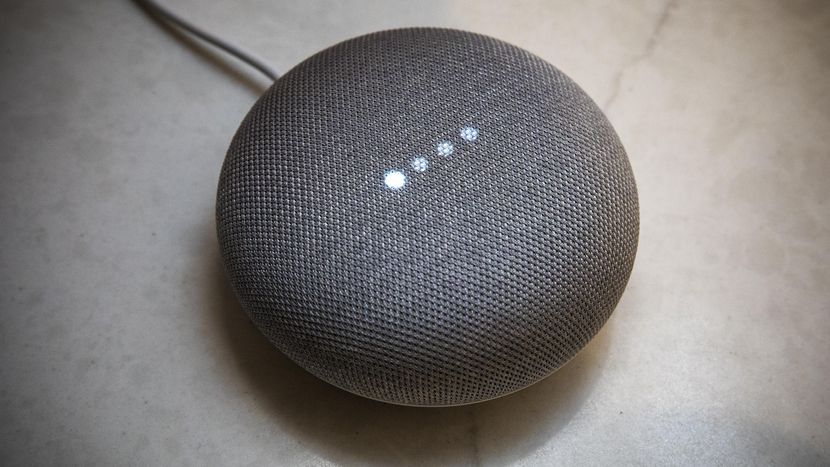
If none of the above works, hard reset the Roku. Google Home Mini uses volume levels. Tapping on the right side of the device will increase the volume level by one.
When the microphone is on, your Nest camera’s microphone picks up sound in the area around your camera. If your camera has event video history or 24/7 video history, your camera’s audio is recorded in your video history as long as the microphone is on. To lower the maximum volume of Assistant at night, drag the slider to the left. From the home screen, tap the speakeradjust the volume.
Reboot the Home/Nest Device
With the recent developments in the Google Workshop (spoiler-legal issues), the Nest/Home devices have been noted to be erroneous to a concerning extent. Alternatively, you could reset the Nest/Home devices through the Home app itself. The first-generation Nest/Home Mini devices do have a dedicated Reset button. Press and hold this button for a few seconds until the device turns OFF and back ON again. On a Nest/Home Hub device, press and hold the Volume Up and Down buttons together for a few seconds or until the device turns OFF and back ON again. And now we have come to the penultimate troubleshooting step of them all - factory resetting the device.

To brighten the lights on top of speaker or display, drag the slider to the right. When Night mode's on, you can mute notifications and boot up sounds. If you own a Google Home Max, you’ll find the volume bar at the top of the device (if you’ve placed it horizontally). If it stands vertically, the bar should be on the right side of the device. Swiping from left to right will increase the volume. Therefore, swiping in the opposite direction will turn the volume down.
Adjust the Nightmode Settings
If you use Google home to listen podcast, you may also notice some podcasts are louder . If you change Google Home volume when media isn’t playing or when media is paused, you will hear an audible confirmation from Google Home. Unfortunately, you still can't customize the alarm tone . And the volume for all timers and alarms will be the same -- there's no way to individually set volumes for specific alarms.

These three methods apply to all Google Home speakers, including Google Home, Google Home Mini, Google Home Max, Google Nest Mini , and Nest Audio. 10 total taps will mute all audio except your Google Assistant. Yes, the users of the app have the option of dropping a pin the app.
So, if you are using it as Bluetooth speaker, this might be one of the reasons for the volume issues. That might sound weird to you, but some Google Home users have reported that changing the location of the smart speaker fixed the issue for them. If visitor announcements are enabled, your speaker or display doesn't announce that someone’s there. Make sure the microphone switch is turned on in the app, or the “Audio recording” setting wouldn't appear. Follow the app instructions for your camera or doorbell below to turn audio recording on or off. Make sure the microphone switch is turned on in the app, or the “Microphone sensitivity” setting wouldn't appear.
Tap on the "X" icon next to the name of the device you want to unpair. On the Home app, click and open your Nest/Home device. The Nets/Home has support for wireless audio playback through Bluetooth. A restart/reboot will remove any and all stagnant bugs and temporary errors on the device, especially if the device has been plugged in for a long time. Refreshing an affected device is and always must be the preliminary step you should try while troubleshooting.
With this feature, you can connect multiple Nest/Home devices together and play media on them. Upon enabling this feature, the device reduces the volume, becomes less sensitive to commands, and also limits the notifications. Another cool trick that you can try within the Routines menu is to add an Action to set the volume to your desired level. This step is also applicable vice-versa, meaning you can switch the network to the lower band if you have issues with the higher bandwidth network.
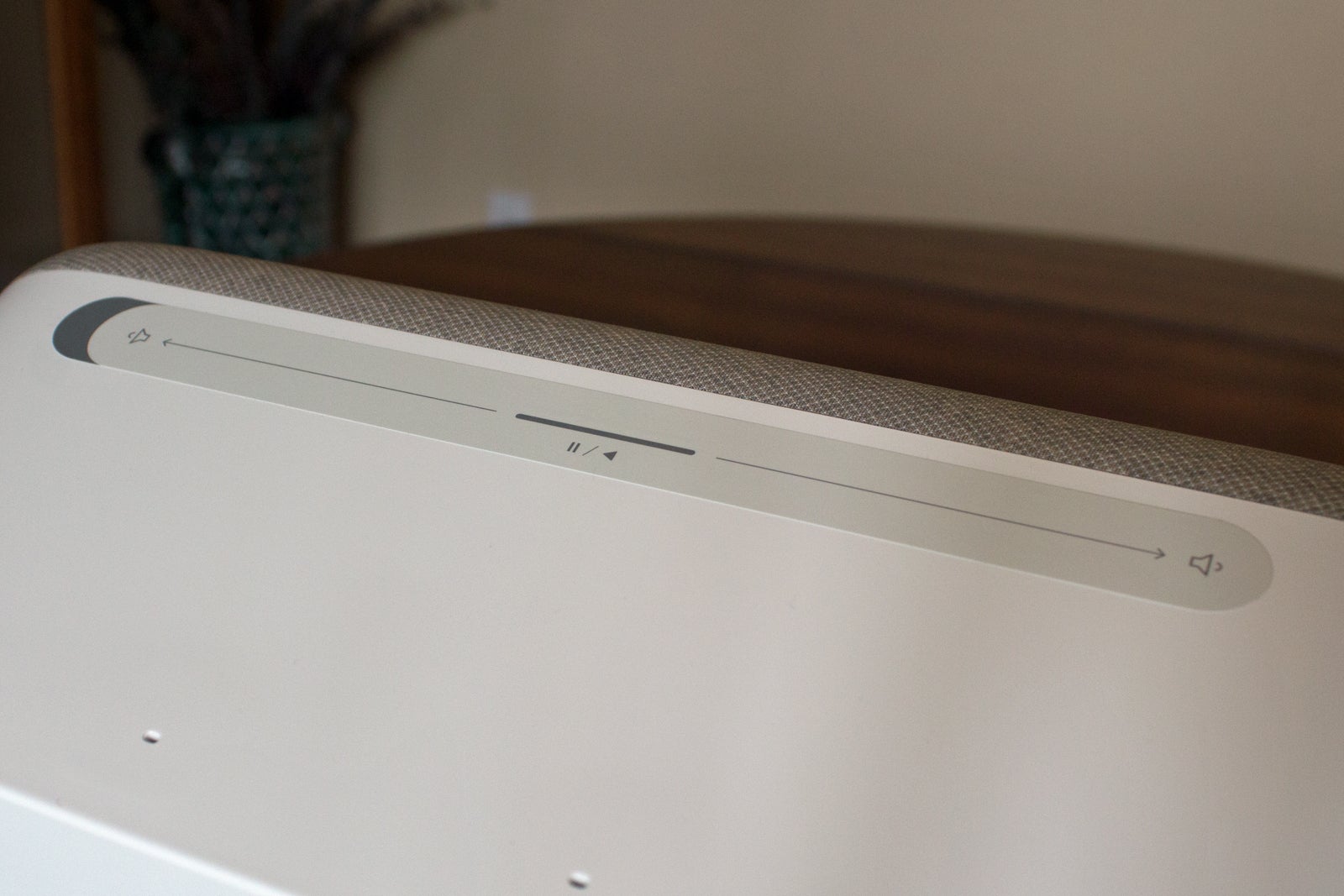
If you tap then times, you’ll set it to the maximum volume. Press the left side to turn it down. Remember, Google Home use 0-10 levels (representing 0% to 100% of the maximum volume). The current volume level for Google Home is indicated by the number of white LED lights/dots in the touch panel.
You can use the button in the notification to resume the volume. You can also use the voice command “Hey Google, continue” to raise the volume to level 1. You can resume the playing by double tapping the touch panel again. You can also use voice command of “Hey Google, continue” to resume. On Google Home Mini, Google Home Mini 2nd Gen, and Nest Audio, you can tap the central part of the touch control panel to pause the playing. This will set Google Home volume to the maximum regardless of the current volume level.


No comments:
Post a Comment